Introduction
Starting a new fabrication shop in today's market can feel like walking into a knife fight. Established players have decades of relationships, dialed-in processes, and the capital to undercut you on every bid. Competing on price alone is a race to the bottom—and it's a race you'll lose.
But here's what the big shops don't want you to know: there are profitable niches hiding in plain sight. These are specialized market segments where agility beats scale, where expertise commands premium pricing, and where customer relationships matter more than having the lowest quote.
After talking with dozens of successful small-shop owners and analyzing market trends across the fabrication industry, I've identified five niches where new fab shops can not only survive but thrive. Each offers real margin potential and a defensible market position that doesn't depend on being the cheapest option in town.
1. Medical Device Prototyping and Small-Batch Production
The medical device industry is booming, and it's hungry for fabrication partners who understand the stakes. We're not talking about mass production here—that goes overseas or to massive contract manufacturers. The opportunity lies in prototyping, first-article production, and small-batch runs where quality documentation matters as much as the parts themselves.
Medical device startups and R&D departments at established companies need fabrication partners who can work from preliminary drawings, iterate quickly, and maintain impeccable traceability. They're willing to pay 40-60% premiums over standard job shop rates for shops that understand FDA documentation requirements and can deliver consistent quality on surgical-grade materials like titanium, cobalt-chrome, and medical-grade stainless steels.
Getting started: Invest in an ISO 13485-aligned quality system before you land your first medical customer. It's not required for prototyping, but it signals you're serious and opens doors to production work later. Partner with a materials supplier who provides full certifications, and document everything obsessively.
2. Aerospace MRO and Component Repair
While aerospace OEM work requires extensive certifications and long qualification processes, the maintenance, repair, and overhaul (MRO) segment offers faster entry points for capable fab shops. Airlines, charter operators, and maintenance facilities constantly need replacement brackets, structural repairs, and custom tooling—often on tight timelines.
The key advantage here is urgency. When an aircraft is grounded waiting for a part, the operator is losing thousands of dollars per hour. A shop that can reverse-engineer a damaged component, fabricate a replacement to spec, and deliver it with proper documentation within 48-72 hours commands serious pricing power. We've seen shops charge $150-200 per hour for expedited aerospace work—triple typical job shop rates.
The shops that win in aerospace MRO aren't the biggest or the cheapest. They're the ones that answer the phone at 6 AM on Saturday and have the part on a truck by Monday morning.
Getting started: Build relationships with local aviation maintenance facilities and flight schools. Offer to be their emergency backup for simple bracket and hardware fabrication. As you prove reliability, you'll earn opportunities for more complex work. Consider pursuing AS9100 certification once you have steady aerospace revenue to justify the investment.
3. Custom Agricultural Equipment and Attachments
Farmers and agricultural contractors are among the most underserved customers in the fabrication world. They need custom attachments, modified implements, and specialized equipment that major manufacturers don't offer—and they're used to paying for quality because downtime during harvest season is catastrophic.
This niche rewards shops that understand the agricultural calendar and can respond quickly during peak seasons. A custom header modification that saves a farmer two hours per day during a three-week wheat harvest is worth serious money. The same goes for livestock handling equipment, specialty sprayer booms, and custom trailer modifications for hauling specific crops or equipment.
- Customers value relationships over price
- Repeat business as farms expand and equipment ages
- Less competition from overseas manufacturers
- Seasonal urgency creates premium pricing opportunities
- Seasonal cash flow can be challenging
- May require travel to customer sites for measurements
- Some customers expect field repairs and modifications
- Rural locations can limit labor pool
Getting started: Attend county fairs and regional farm shows. Talk to farmers about their equipment frustrations—you'll hear the same complaints repeatedly, and each one is a product opportunity. Build a mobile welding and fabrication capability for on-farm repairs, which builds trust and leads to shop work.
4. Architectural and Ornamental Metalwork
High-end residential construction and commercial architecture create steady demand for custom metalwork that production shops won't touch. Sculptural staircases, custom railings, decorative screens, and artistic installations require a combination of fabrication skill and design sensibility that's increasingly rare.
This niche commands exceptional margins—often 50-100% above standard structural fabrication—because customers are buying aesthetics, not just function. A custom forged railing for a $5 million home isn't competing against imported alternatives; it's competing against stone, wood, and glass. Architects and interior designers become your sales force once they trust your ability to execute their visions.
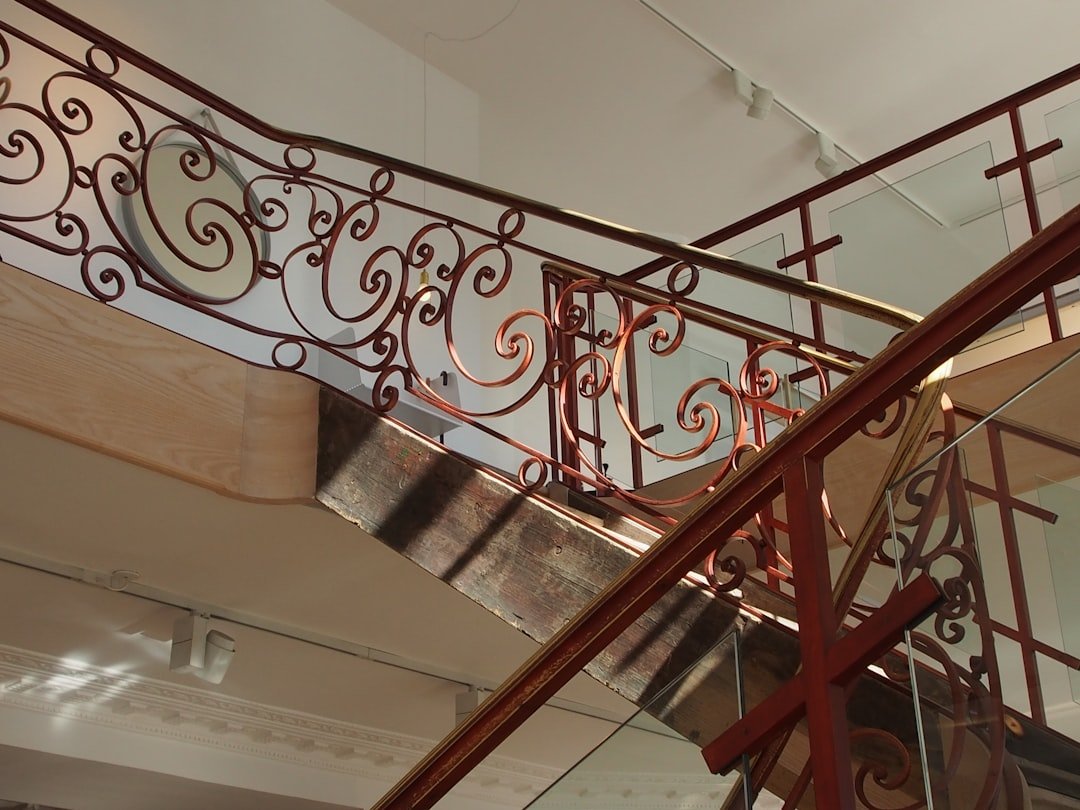
The architectural metalwork niche requires developing a portfolio that demonstrates both technical capability and design sense. Invest in photography of completed projects, and consider collaborating with local artists or design students on portfolio pieces that showcase your range.
Material expertise matters here too. Clients want options—weathering steel, blackened bronze, hand-applied patinas, and unusual alloys all command premium pricing and differentiate you from competitors who only work in painted mild steel.
Getting started: Partner with architects and interior designers by offering to fabricate samples at cost for their project presentations. Join local AIA chapter events and home builder association meetings. Consider taking metalworking or sculpture classes to develop design vocabulary that helps you communicate with creative professionals.
5. Electric Vehicle and Alternative Energy Components
The energy transition is creating fabrication opportunities that didn't exist five years ago. EV conversion specialists need battery enclosures, motor mounts, and cooling system components. Solar installers need custom racking for unusual roof configurations. Small wind turbine manufacturers need precision weldments. Hydrogen fuel cell developers need specialized manifolds and housings.
This sector is young enough that established supplier relationships haven't calcified. Startups and small manufacturers in the clean energy space often can't meet minimum order quantities at large contract manufacturers, creating an opening for nimble fab shops that can produce quantities from one to one hundred.
| Segment | Typical Project Size | Margin Potential | Technical Barrier |
|---|---|---|---|
| EV Conversion Components | $500-$5,000 | High | Medium |
| Solar Mounting Systems | $1,000-$20,000 | Medium | Low |
| Battery Enclosures | $2,000-$15,000 | High | High |
| Wind Turbine Components | $5,000-$50,000 | Medium | High |
Getting started: Follow EV conversion forums and Facebook groups to understand what hobbyists and professional converters need. Reach out to local solar installation companies about custom racking opportunities. Attend renewable energy trade shows and position yourself as a prototyping and small-batch resource for startups that aren't ready for large-scale manufacturing partnerships.
Bonus: Food Processing Equipment Fabrication
Here's a sixth niche worth mentioning: food processing equipment. The craft food and beverage boom has created thousands of small producers who need custom stainless steel equipment—brewing systems, mixing vessels, conveyors, and packaging line components. These customers pay premium prices for sanitary fabrication, understand lead times, and often become long-term accounts as their businesses grow.
The barrier to entry is learning sanitary welding techniques and understanding FDA and USDA requirements for food-contact surfaces. Once you develop this expertise, you'll find that craft breweries, distilleries, specialty food producers, and commercial kitchens represent a lucrative and recession-resistant customer base.
Conclusion
The fabrication business doesn't have to be a commodity race to the bottom. By specializing in underserved niches—medical devices, aerospace MRO, agricultural equipment, architectural metalwork, or clean energy components—new fab shops can build defensible market positions that command premium pricing.
The common thread across all these niches is expertise plus responsiveness. Customers in specialized sectors aren't shopping for the lowest price; they're looking for partners who understand their unique requirements and can deliver reliably. That's a competition you can win without having the biggest shop or the newest equipment.
Choose one niche that aligns with your skills and interests, then go deep. Build relationships, develop specialized capabilities, and become the go-to resource in your region. The riches really are in the niches—and there's never been a better time to claim yours.
Ready to Build Your Fab Shop Business Plan?
Download our free Fabrication Business Niche Evaluation Worksheet to assess which specialty markets match your capabilities and local demand.
Get the Worksheet
Comments
No comments yet. Be the first to comment!
Leave a Comment